Protecting Your Home from the Top Down
A well-maintained home performs better, lasts longer, and protects your investment. This guide walks through the major systems and surfaces of a home from the top down, with practical maintenance tips and a how-to YouTube link for each area.
Roof
Your roof is your home’s first line of defense. Inspect it at least twice a year and after major storms. Look for missing, curling, or cracked shingles, damaged flashing, dark streaks, sagging spots, or signs of leaks around penetrations. Keep branches and debris off the roof so moisture cannot sit and shorten the life of the materials. Catching small issues early often prevents expensive interior water damage and extends the life of the entire roofing system.
Watch how-to video: YouTube: Roof inspection for homeowners
Gutters
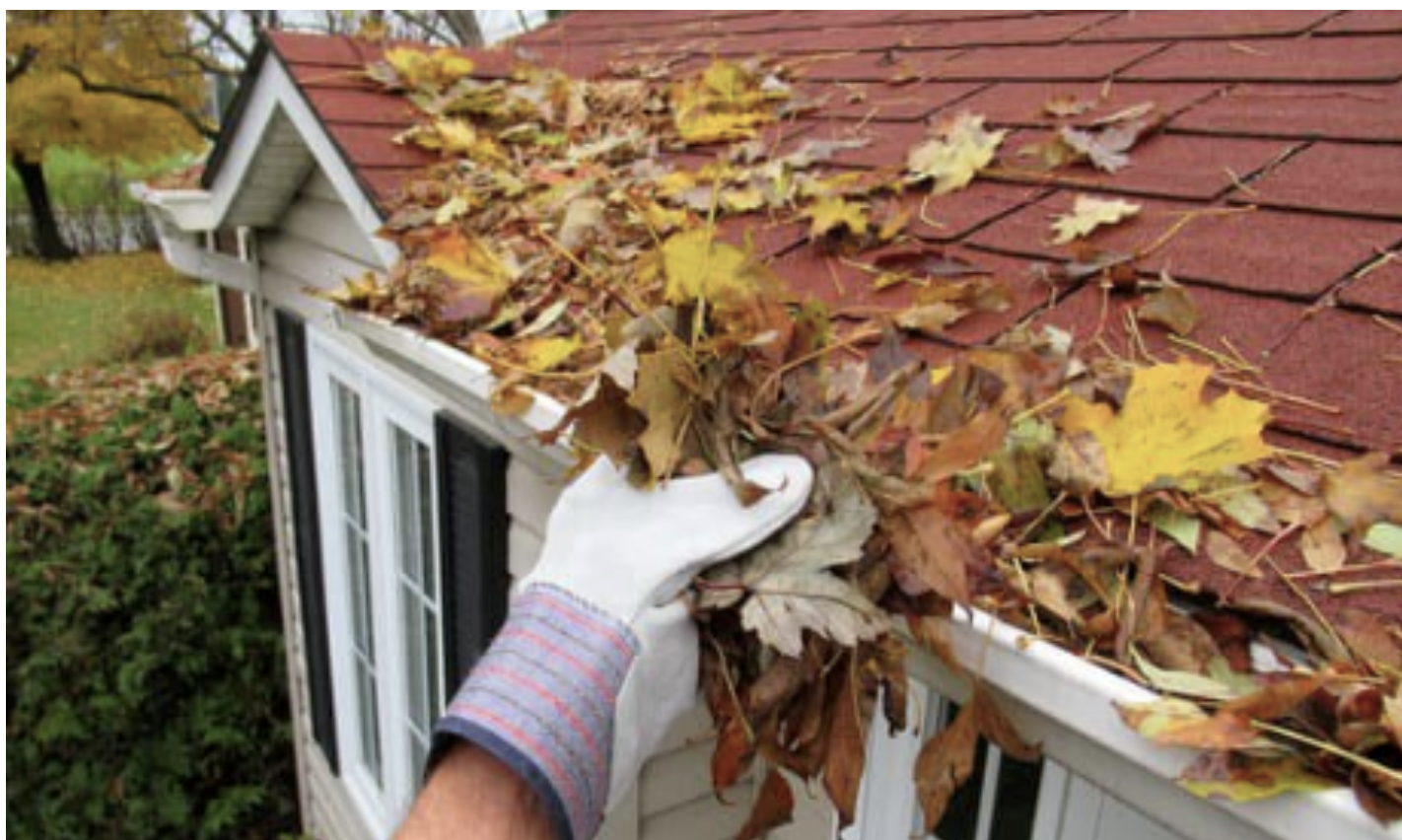
Gutters and downspouts protect the roof, siding, and foundation by moving water away from the house. Clean them at least twice a year, and more often if you have overhanging trees. Check that downspouts are secure and directing water well away from the foundation. Watch for sagging sections, loose fasteners, leaks at joints, and overflow marks. Well-maintained gutters reduce rot, staining, erosion, and foundation settlement issues.
Watch how-to video: YouTube: How to clean gutters safely
Chimney
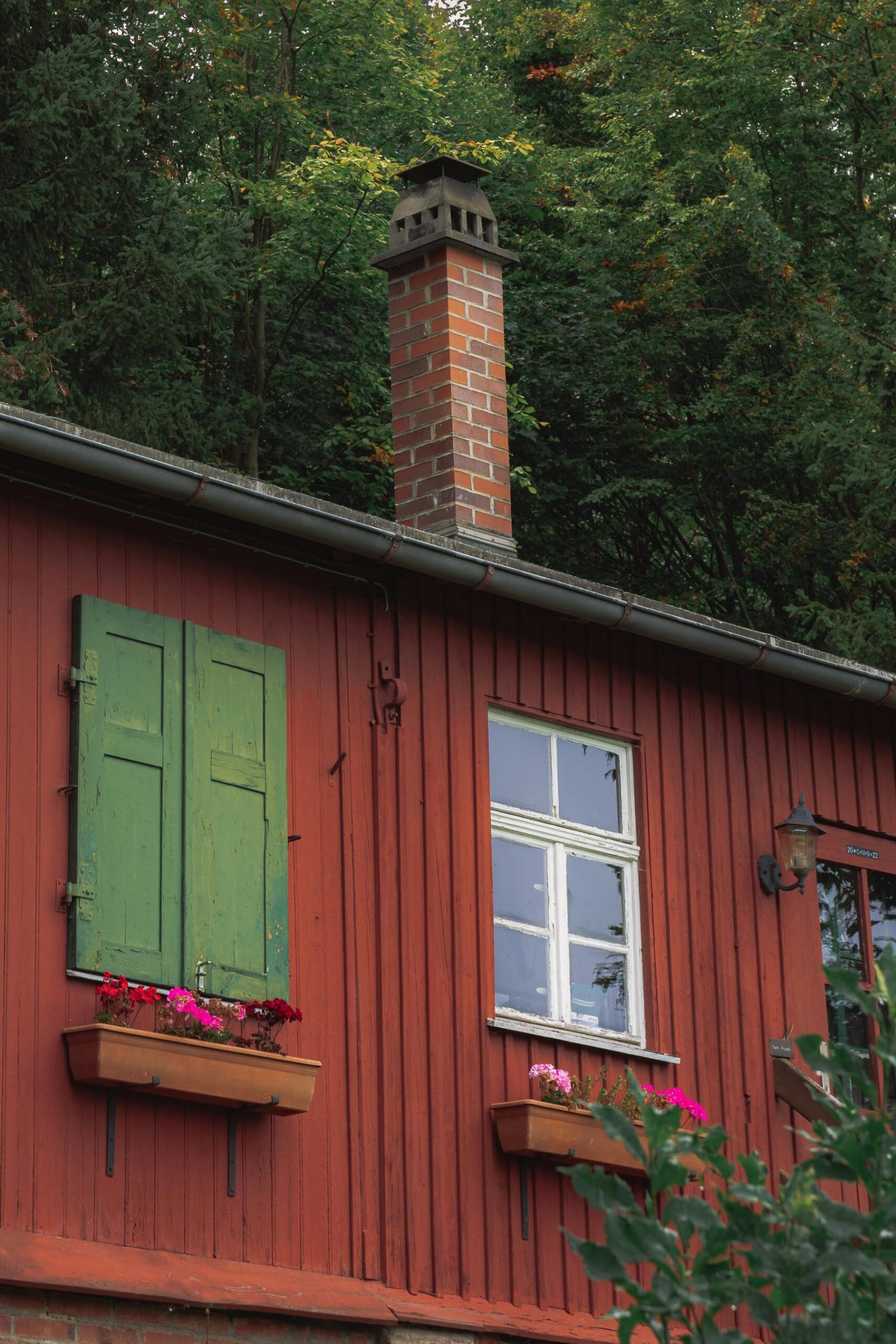
If your home has a chimney, inspect it annually for cracked mortar, deteriorating caps, missing flue covers, and staining that could signal moisture intrusion. Wood-burning fireplaces should also be checked for creosote buildup, which is a fire hazard. Keeping the cap, crown, and flashing in good shape helps prevent leaks and keeps animals out. Even if the fireplace is used only occasionally, chimney maintenance protects both safety and structure.
Watch how-to video: YouTube: Chimney inspection and cleaning
Siding
Siding protects the structure from wind, rain, and pests, so it pays to wash it regularly and inspect it for gaps, soft spots, warping, or failed caulking. Vinyl should be cleaned gently to remove algae and mildew. Wood siding needs paint or stain maintained so moisture cannot soak in. Fiber cement still benefits from periodic inspection around joints and trim. Good siding maintenance preserves curb appeal while helping prevent hidden rot.
Watch how-to video: YouTube: House siding cleaning and maintenance
Pavement & Driveways
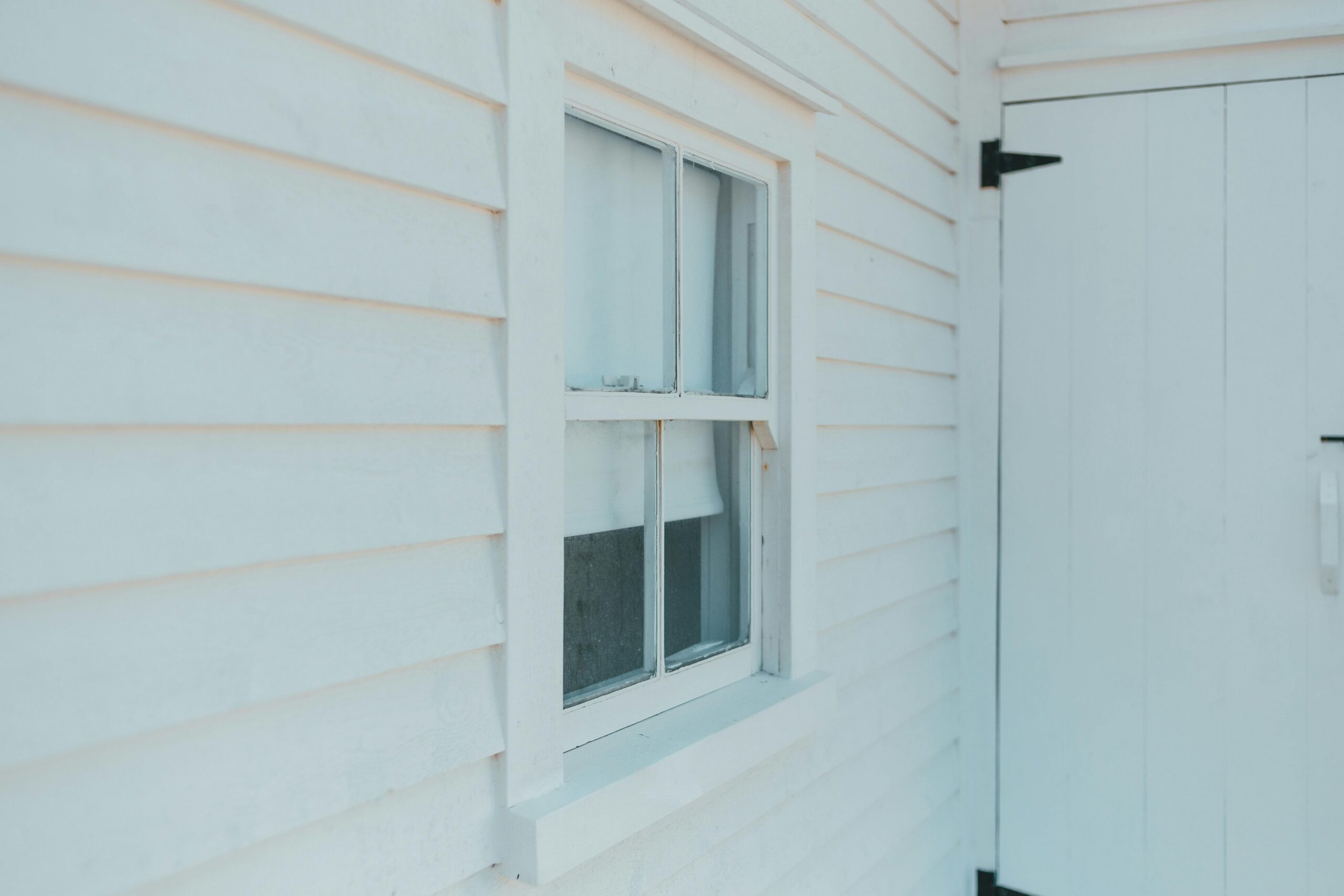
Concrete and asphalt surfaces last longer when cracks are sealed early and standing water is minimized. Sweep regularly, pressure wash as needed, and remove weeds before roots widen cracks. Asphalt typically benefits from sealcoating every few years, while concrete should be monitored for spalling, settlement, and joint deterioration. Keeping pavement maintained improves appearance and helps avoid larger repair bills.
Watch how-to video: YouTube: Driveway crack repair and sealcoating
Pavers
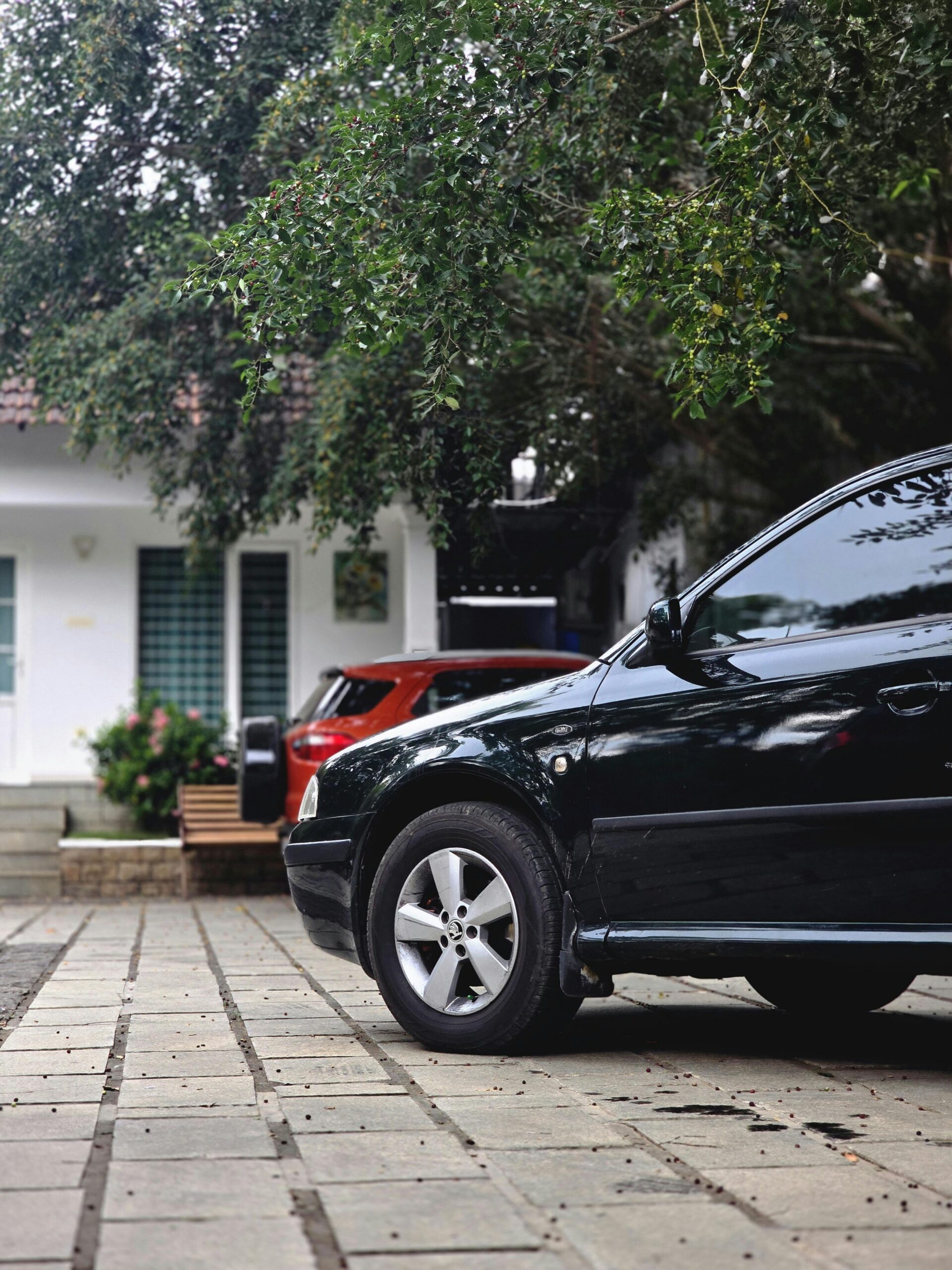
Pavers need periodic cleaning, weed control, and joint sand replenishment to stay level and attractive. If pavers begin shifting, sinking, or separating, re-leveling small sections early is much easier than a full reset later. Polymeric sand and sealing can help stabilize joints and reduce weed growth. Proper paver maintenance keeps patios and walkways safer and preserves the finished look.
Watch how-to video: YouTube: Clean and seal pavers
Sprinkler System
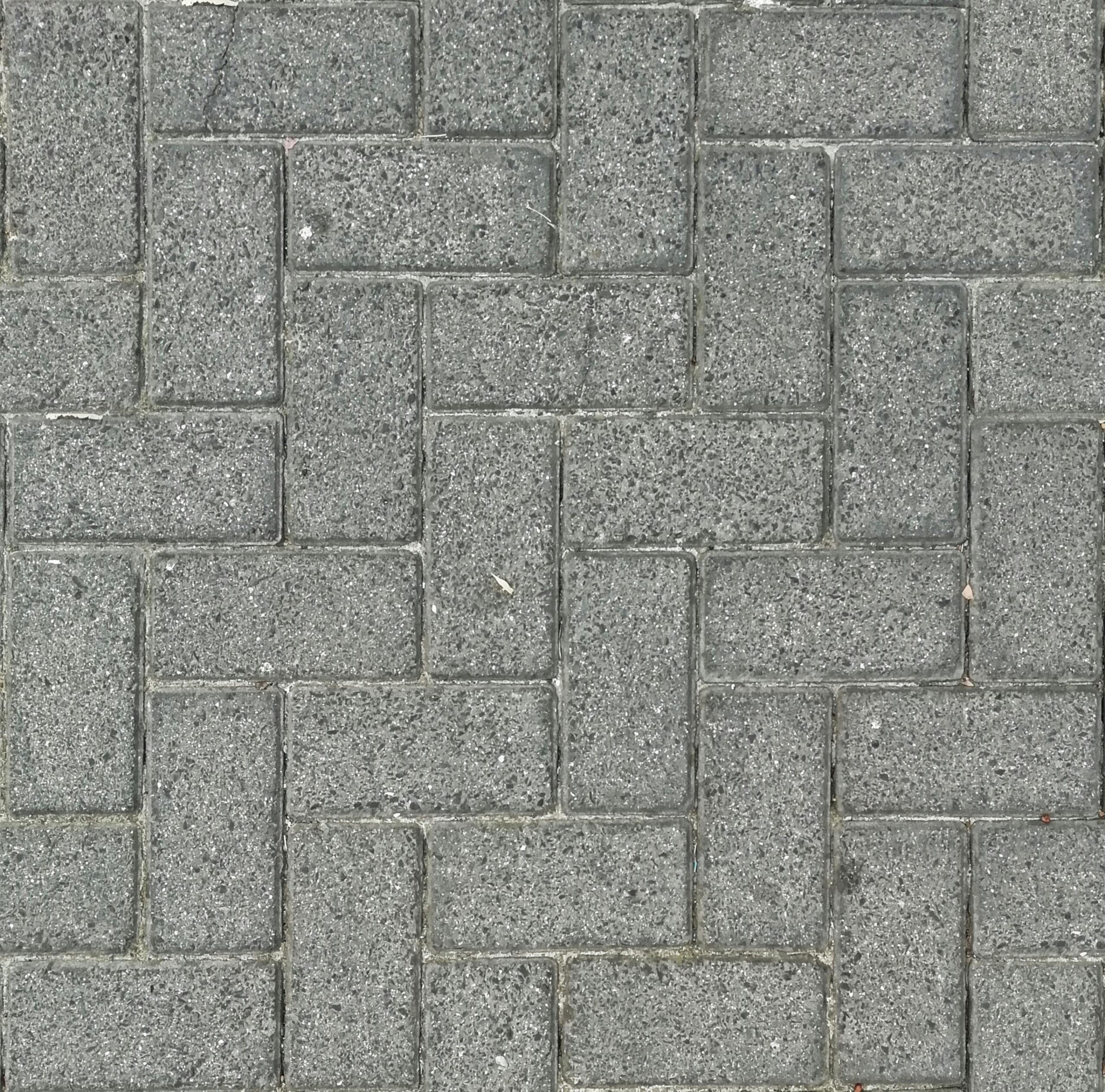
A sprinkler system should be checked regularly for broken heads, clogged nozzles, leaks, overspray, and poor coverage. Run each zone and watch for dry spots, geysers, or water hitting the house and sidewalks. Seasonal adjustments matter because overwatering can damage landscaping, waste money, and even affect foundations. A tuned irrigation system keeps the yard healthy while using water more efficiently.
Watch how-to video: YouTube: Adjust sprinkler heads and irrigation check
Lawn
A healthy lawn starts with proper mowing height, consistent but not excessive watering, and seasonal feeding based on your grass type. Cutting too short stresses the grass and opens the door to weeds and disease. Aeration, spot treatment, and patch repair help maintain density and root health. A strong lawn improves drainage, appearance, and the overall feel of the property.
Watch how-to video: YouTube: Lawn care basics for homeowners

Flower Beds, Mulch & Stone
Beds look better and perform better when they are edged, weeded, and refreshed regularly. Mulch helps retain moisture, moderate soil temperature, and reduce weed growth, but it should not be piled against siding or tree trunks. Decorative stone lasts longer but still needs weed control and occasional cleanup. Keeping beds neat improves curb appeal and protects plant health.
Watch how-to video: YouTube: Refresh mulch and landscape beds
Decks
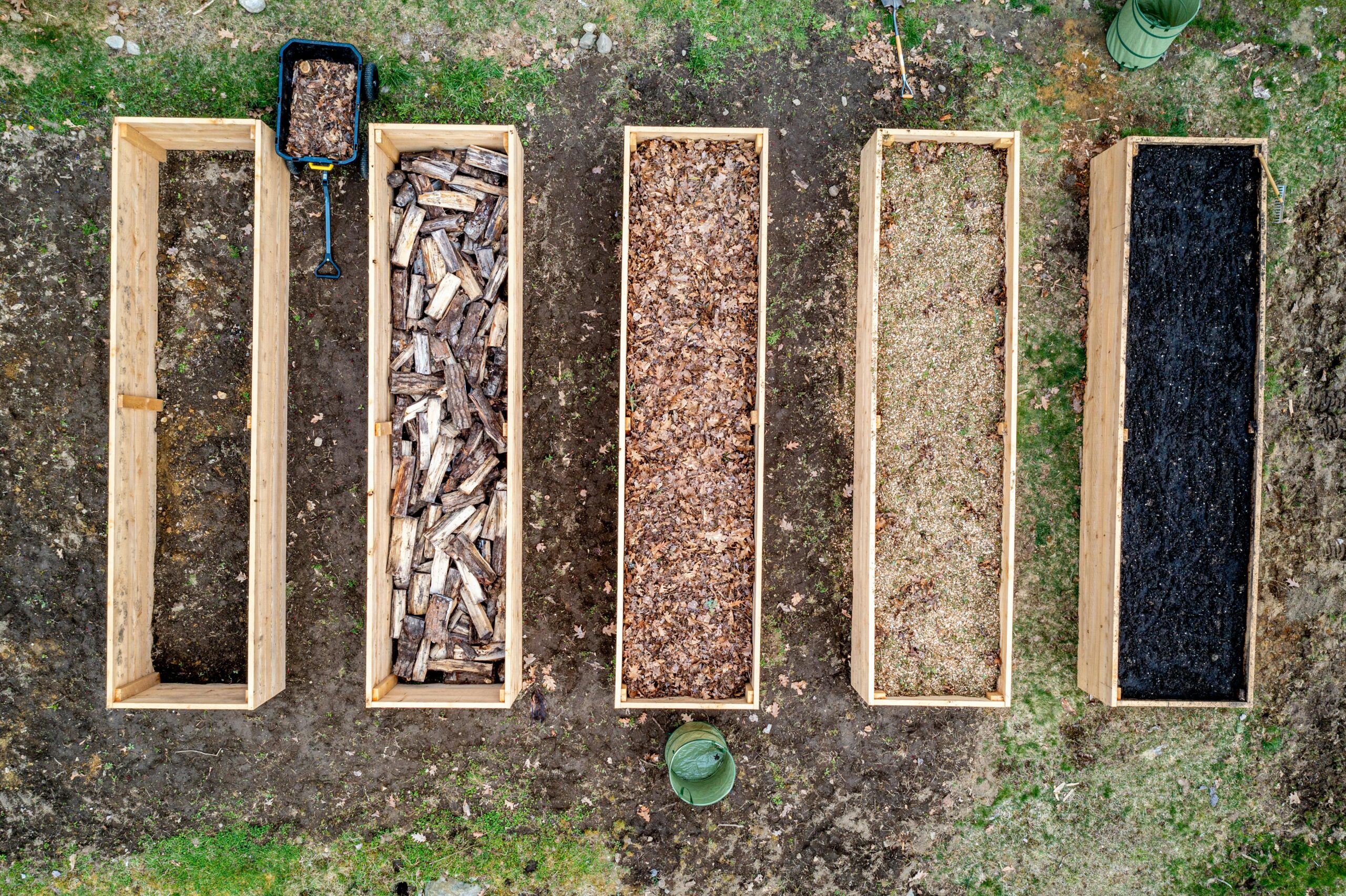
Decks should be inspected for loose boards, raised fasteners, rail movement, rot, and soft spots. Keep leaves and moisture from sitting on the surface, and clean and seal wood decks on a regular cycle based on exposure. Composite decks still need cleaning and inspection even if they require less finishing. Routine maintenance protects safety and extends usable life.
Watch how-to video: YouTube: How to clean and stain a deck
Pools & Jacuzzi
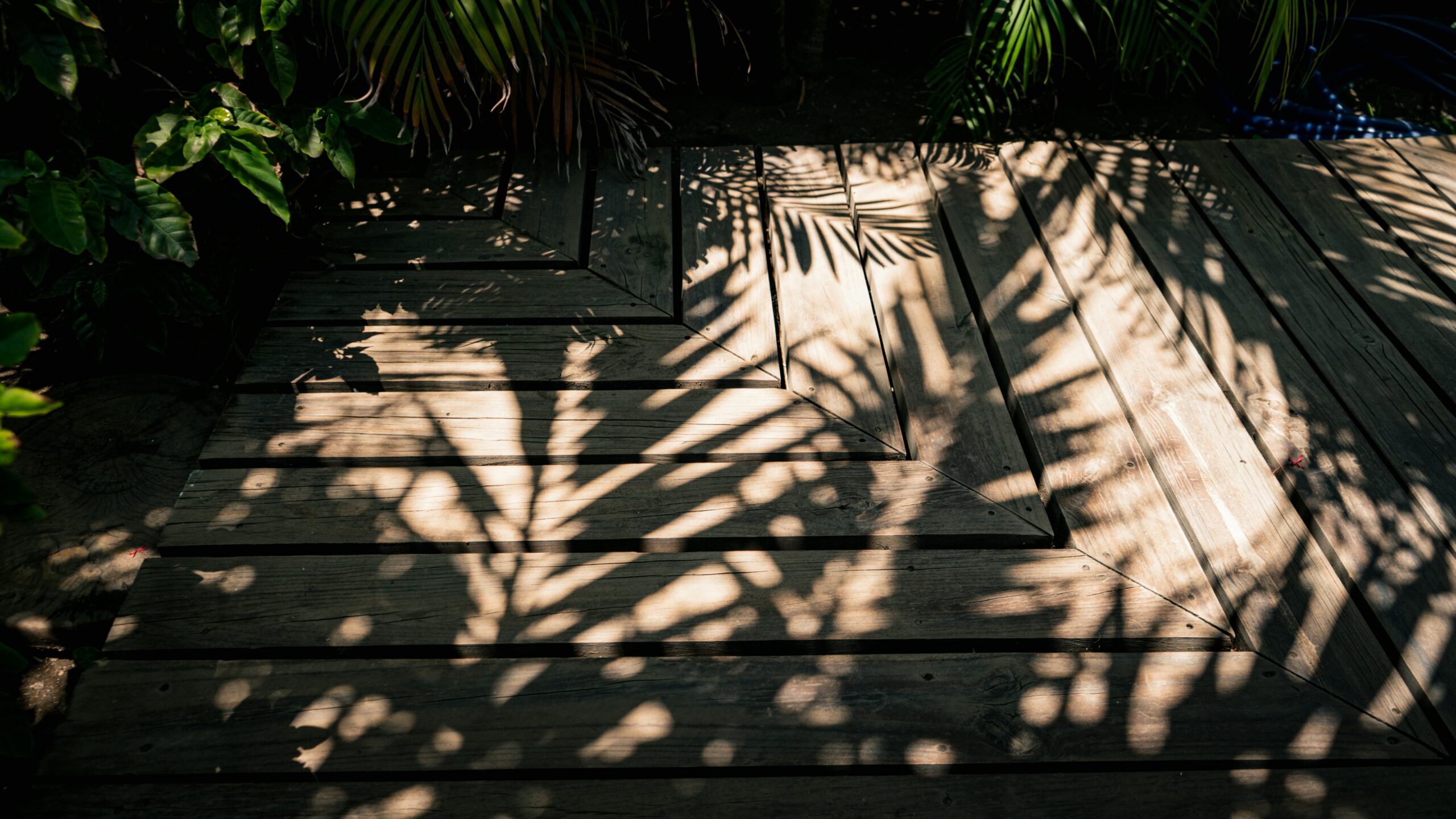
Pools and spas need regular attention to water chemistry, filters, pumps, skimmer baskets, and visible leaks. Unbalanced chemistry can damage surfaces and equipment while also making the water unsafe. Covers, heaters, and jets should be checked so they operate efficiently. Consistent maintenance keeps these amenities enjoyable and helps avoid expensive equipment failures.
Watch how-to video: YouTube: Pool and hot tub maintenance for beginners
Screens & Windows
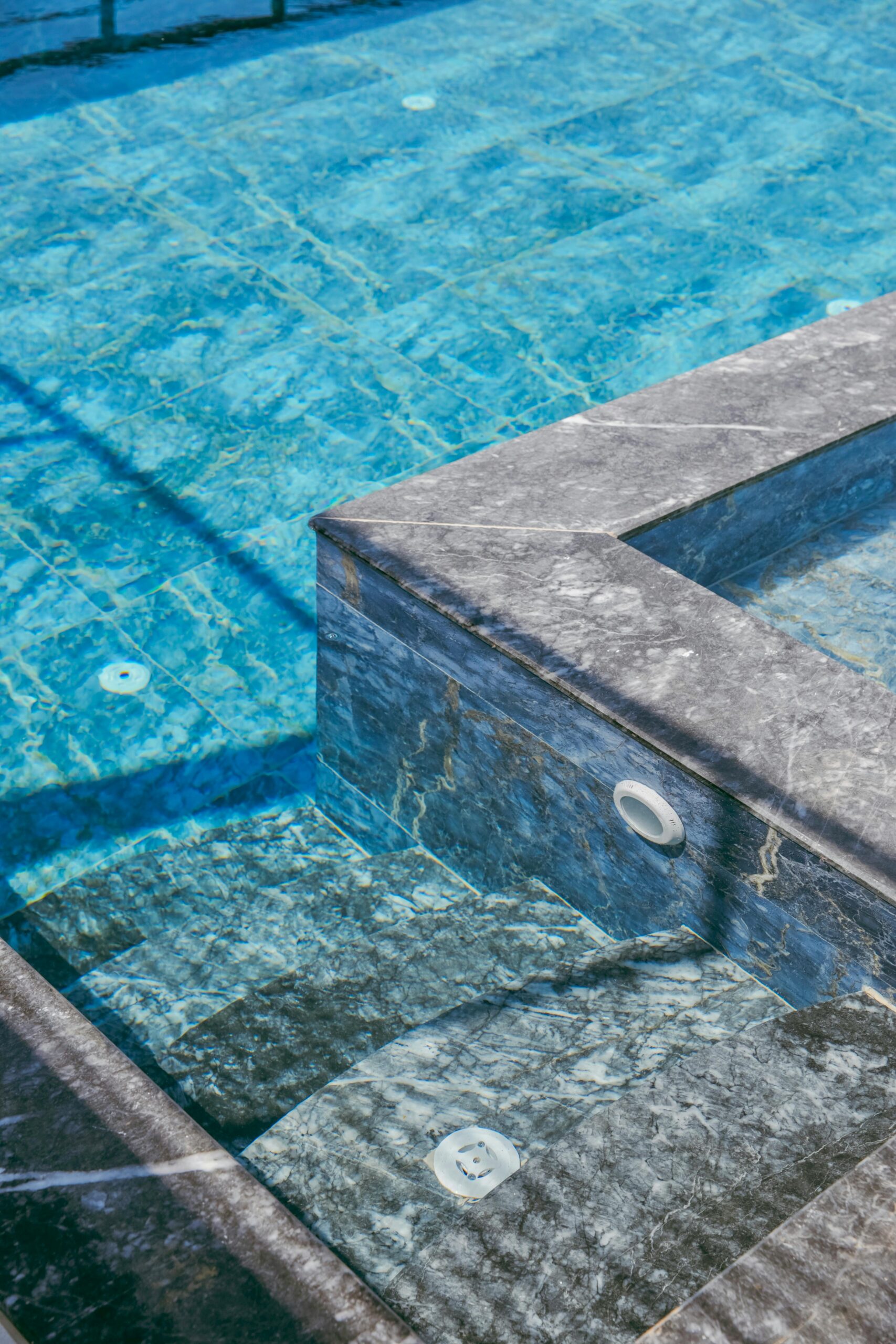
Windows should be cleaned inside and out, tracks vacuumed, and moving parts lightly lubricated so they open and close properly. Torn screens should be repaired promptly to keep insects out. Inspect caulking, glazing, and seals for drafts or condensation between panes. Window maintenance improves comfort, energy efficiency, and appearance.
Watch how-to video: YouTube: Window maintenance and screen repair
Floors
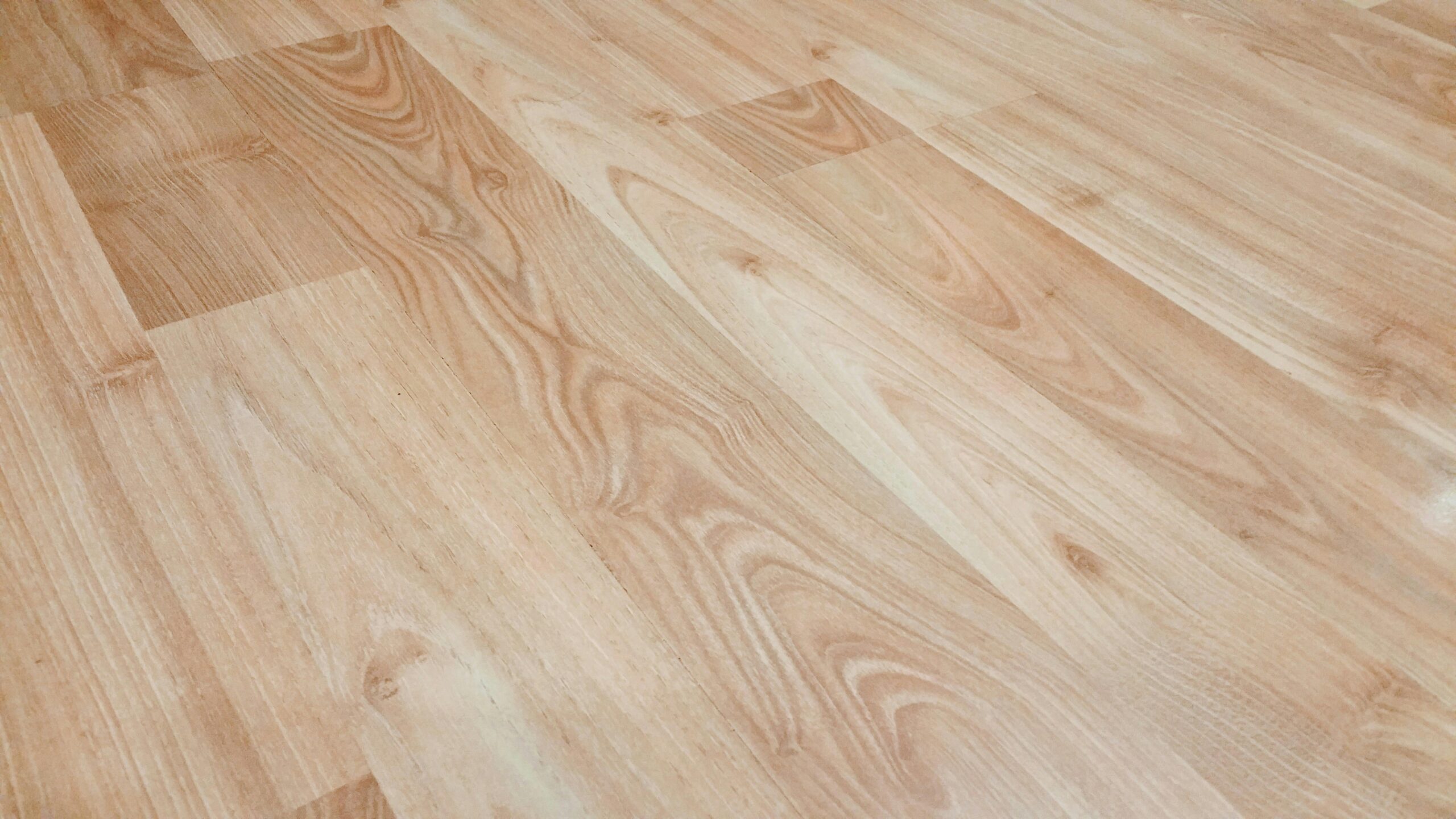
Different flooring materials need different care. Hardwood and laminate should be protected from excess moisture, while tile benefits from grout cleaning and resealing when needed. Luxury vinyl and other resilient floors last longer when grit is swept away and furniture pads are used to reduce scratching. Proper floor care protects finish, appearance, and long-term value.
Watch how-to video: YouTube: Floor care tips for hardwood vinyl tile
HVAC System
Your heating and cooling system performs best when filters are changed regularly, drain lines stay clear, coils remain clean, and the outdoor unit has open airflow around it. A professional service visit at least annually can catch refrigerant, electrical, drainage, and wear issues before they become breakdowns. Good HVAC maintenance improves comfort, efficiency, and equipment life.
Watch how-to video: YouTube: HVAC maintenance for homeowners

Water Heaters: Tank vs. Tankless
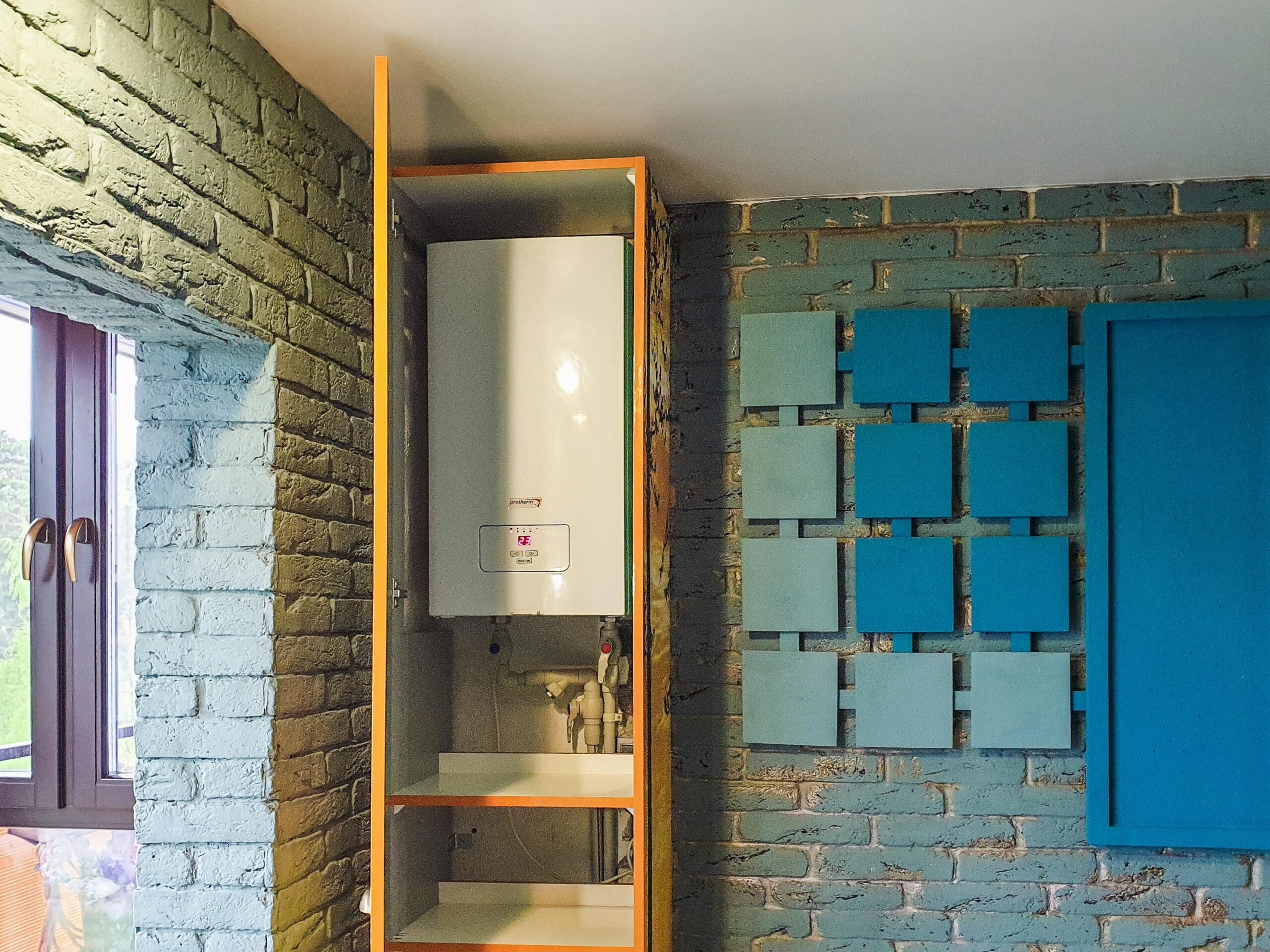
Traditional tank water heaters benefit from periodic flushing to remove sediment, while tankless systems need descaling on schedule, especially in areas with hard water. Both systems should be checked for leaks, corrosion, venting issues, and proper temperature settings. Knowing what type you have and maintaining it correctly will improve efficiency, reliability, and service life.
Watch how-to video: YouTube: Water heater flush and tankless descaling
Fireplaces
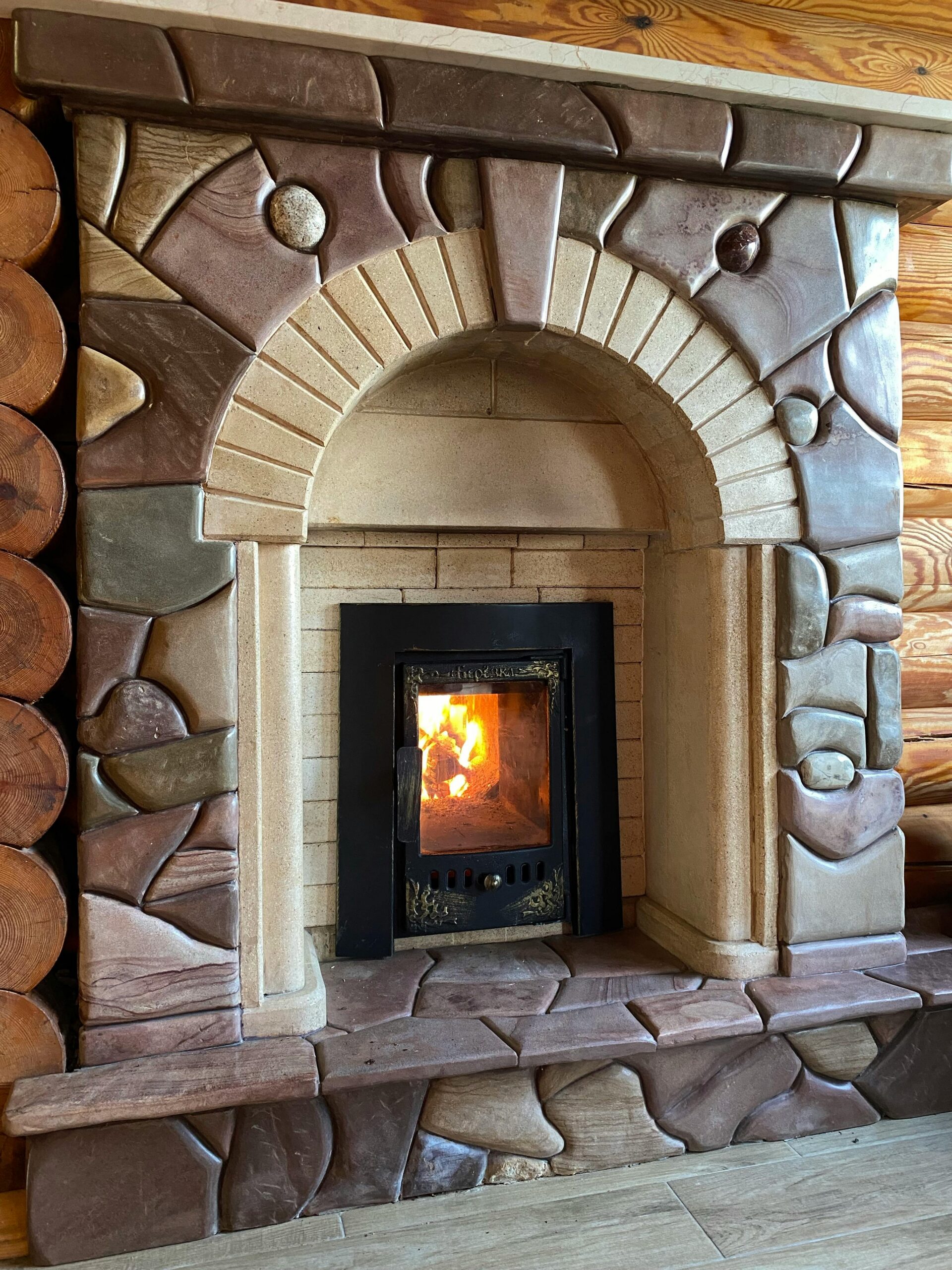
Whether wood-burning or gas, fireplaces should be inspected before heavy seasonal use. Clean ash, check dampers, inspect gas logs and igniters if applicable, and make sure surrounding materials remain safe and intact. Annual attention helps the fireplace operate efficiently and reduces fire and ventilation risks.
Watch how-to video: YouTube: Fireplace maintenance and safety
Water Filtration
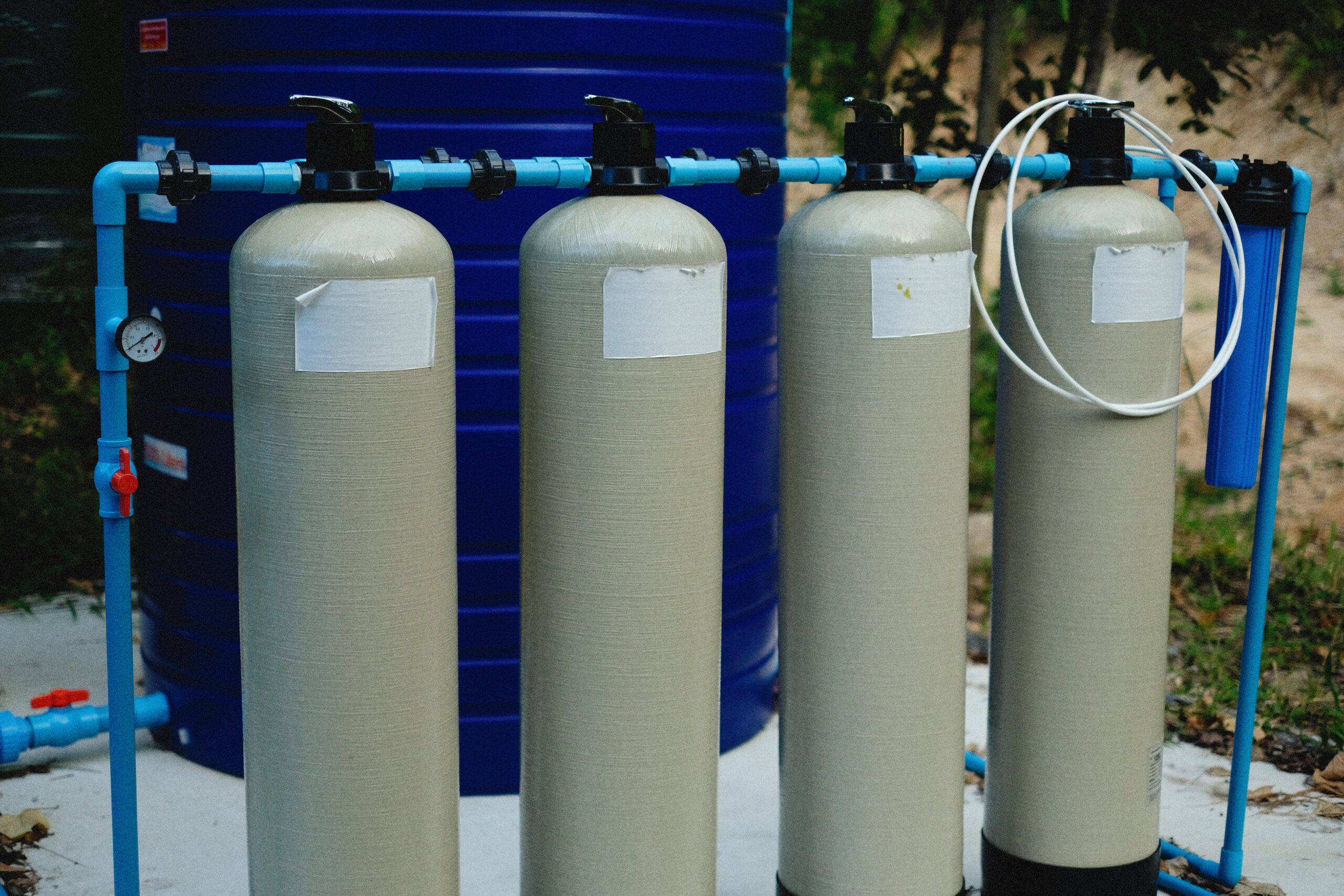
Whole-house and under-sink filtration systems only perform well when cartridges and filters are replaced on schedule. Delayed changes reduce flow, hurt water quality, and may strain the system. Inspect housings, bypass valves, and visible plumbing for leaks or buildup. Clean, timely maintenance keeps water quality consistent and protects the equipment.
Watch how-to video: YouTube: Replace home water filter systems
Appliances
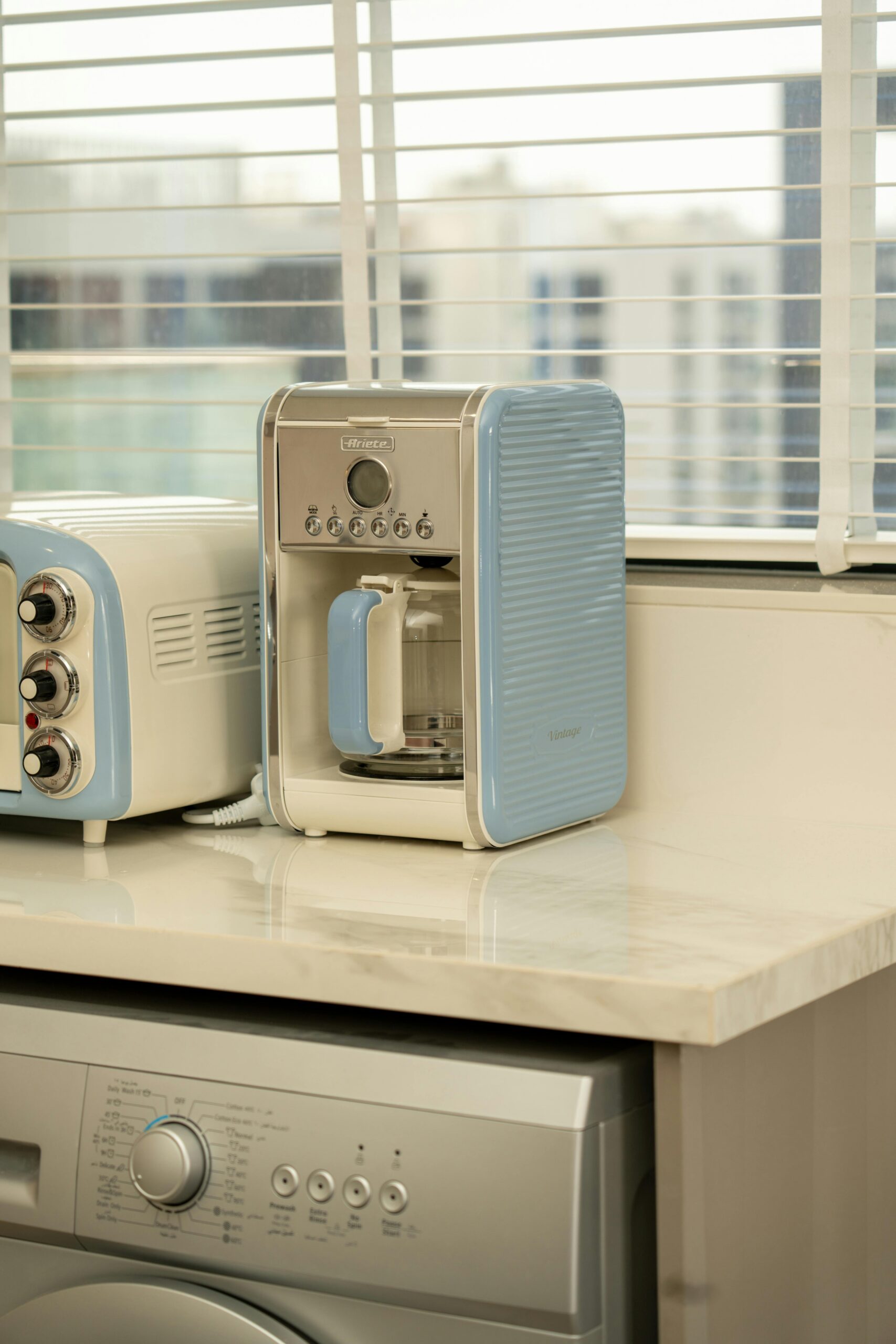
Major appliances last longer when they are cleaned, inspected, and maintained on a routine schedule. Dishwashers need filter cleaning. Washers benefit from hose checks and periodic cleaning cycles. Dryer lint traps should be cleaned every load and dryer vents cleaned regularly for safety. Refrigerators need coil cleaning and timely water filter changes. Ovens and cooktops should be cleaned before buildup becomes a performance or fire issue.
Watch how-to video: YouTube: Home appliance maintenance checklist